Study: Fused Thermal and Radar Automatic Pedestrian Detection and Braking
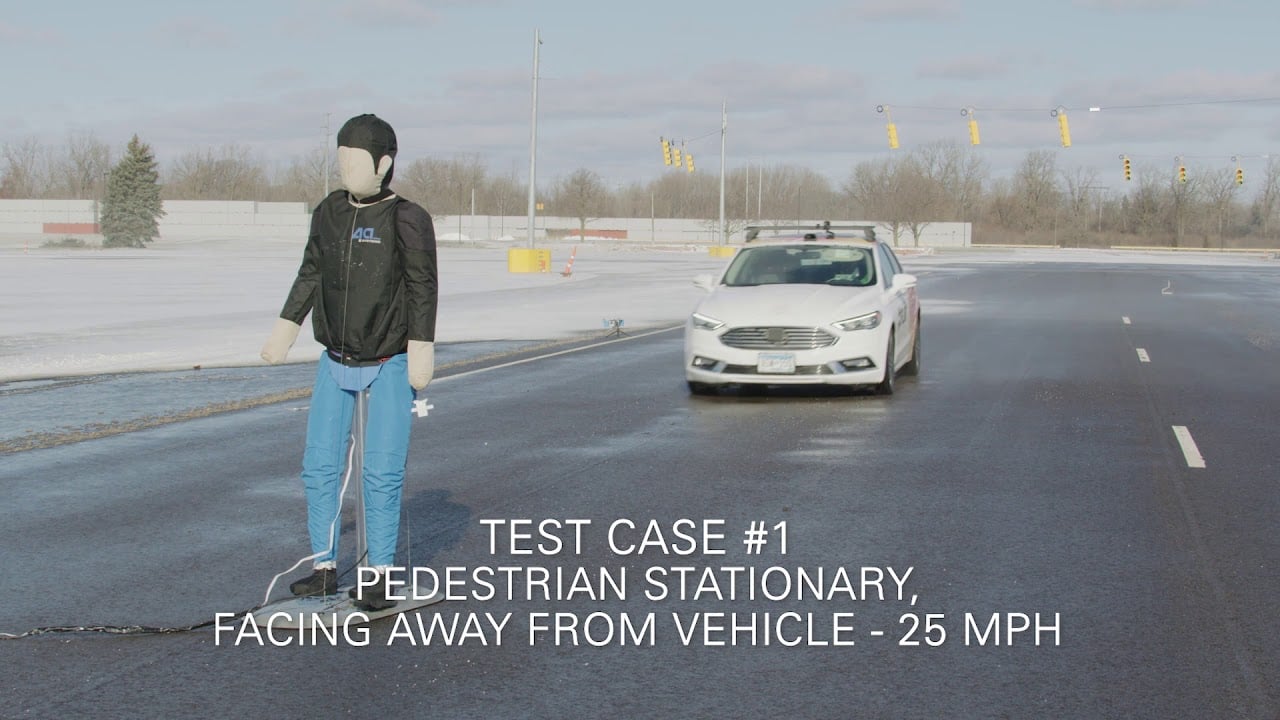
FLIR 열화상 카메라를 사용한 자동 비상 제동 테스트
주간과 야간 모두에서 3건의 테스트 사례를 통해 성인 ‘Euro NCAP 보행자 표적(EPTa)’을 사용하여 6개의 데이터세트와 총 35회의 테스트 실행 결과 얻었습니다. 테스트 결과는 긍정적이었습니다. 6건의 모든 테스트 사례에 대한 모든 실행에서 AEB 시스템은 EPTa에 도달하기 전에 VUT가 정지하는 데 성공했습니다.
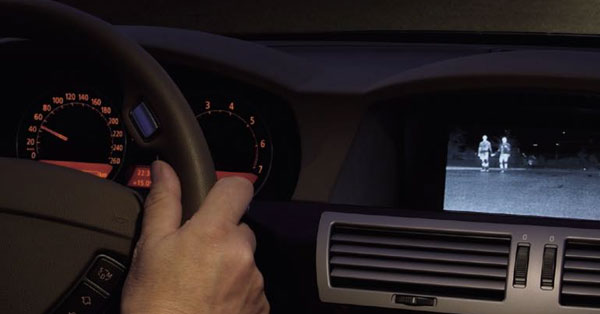
According to the National Highway Traffic Safety Administration (NHTSA), in 2018, over 6,000 pedestrians’ lives were lost in the United States. A recent AAA study that measured pedestrian detection systems found that traditional automatic emergency braking (AEB) systems using radar and cameras don’t work effectively at night and are often challenged during daylight hours as well. As 20 automotive manufactures - representing 99% of the U.S. car market - look ahead to 2022 to meet their commitment of making AEB standard, the industry continues to develop and test new technologies.
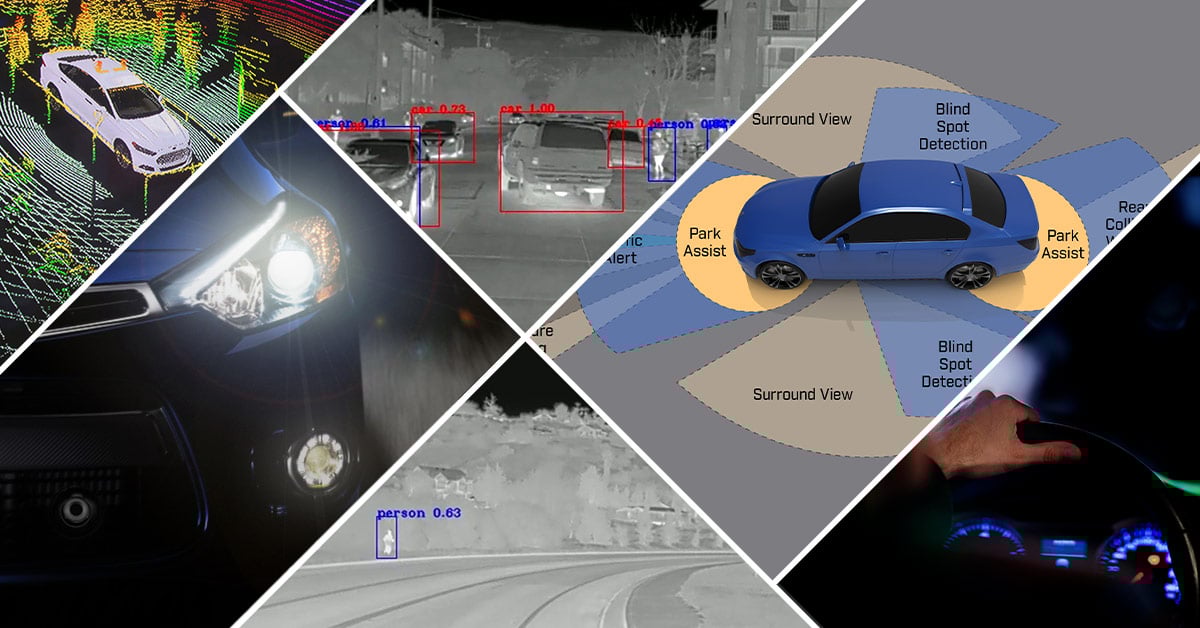
FLIR Systems Inc. contracted VSI Labs to develop a proof-of-concept AEB system that fused perception data from a FLIR ADK’s ethernet-based Boson® thermal camera and a Delphi ESR 2.5 radar. The radar provided range data and the thermal camera provided object detection and classification. VSI recently conducted initial performance tests based on Euro NCAP requirements at the American Center for Mobility (ACM).
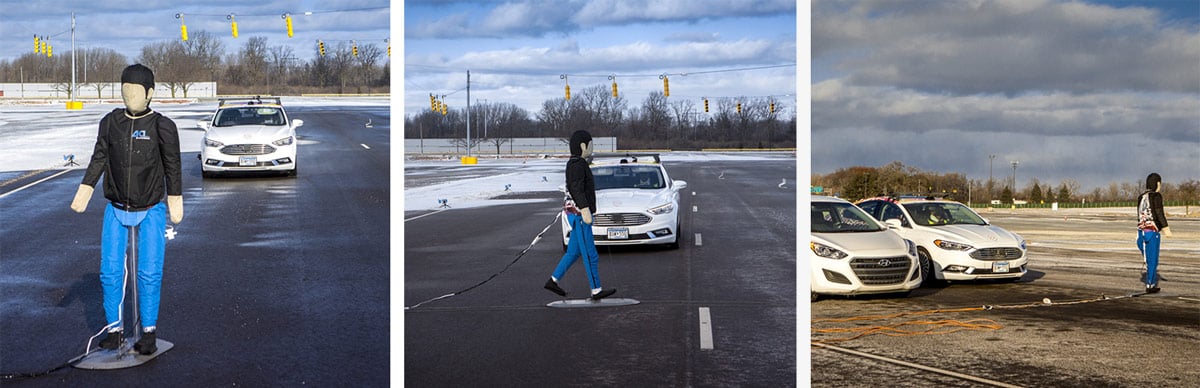
Three test cases were conducted in both daylight and darkness, giving six datasets and 35 total test runs using an adult Euro NCAP Pedestrian Target (EPTa). Test results were promising. In all runs for all six test cases, the AEB system successfully brought the VUT to a stop before reaching the EPTa.
For more details about the testing and the results, check out the executive summary that VSI wrote with FLIR Systems.
Additional testing is planned for spring/summer of 2020.