Thermal Cameras for Uncrewed Systems at Scale
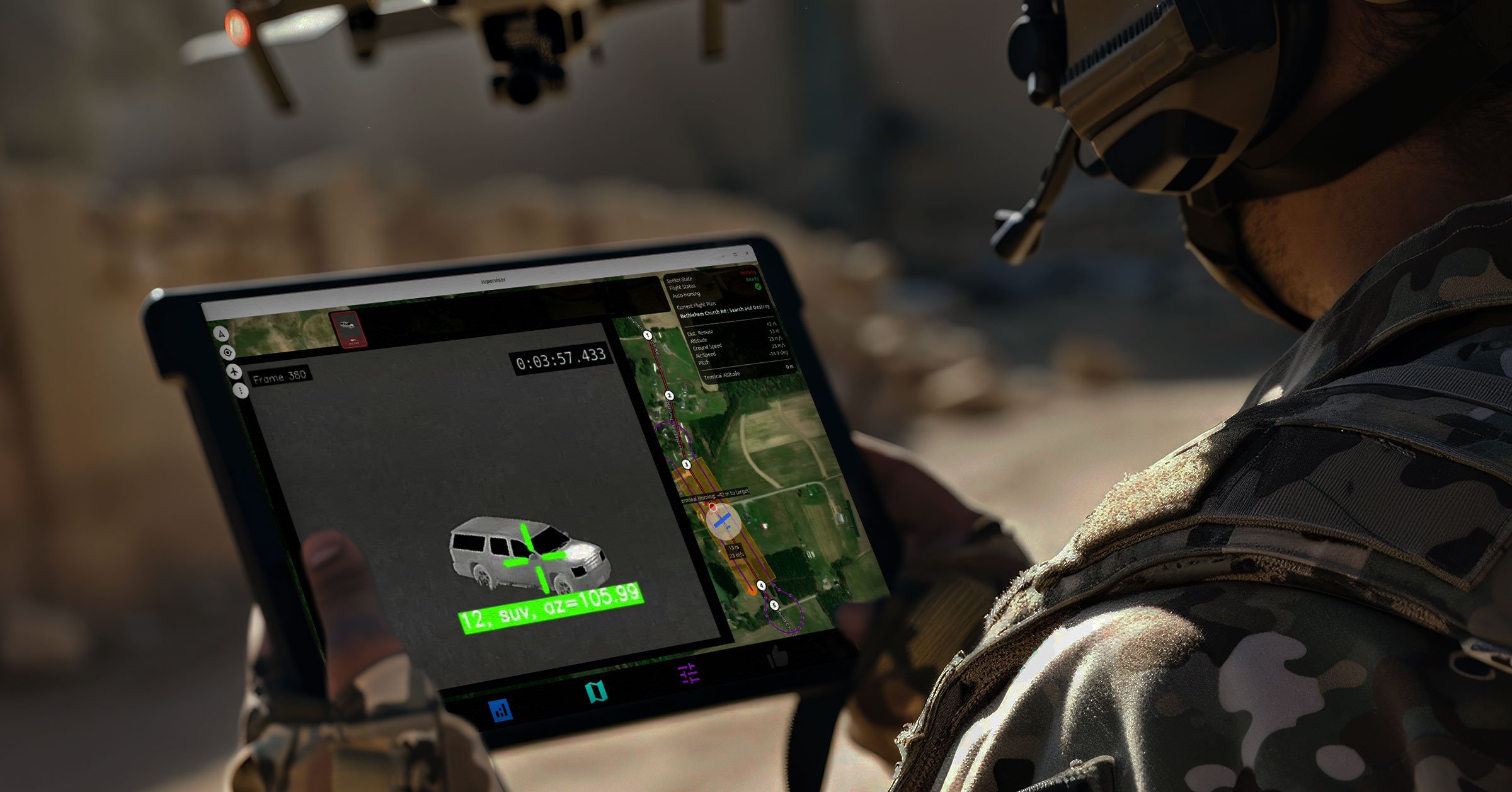
Teledyne FLIR OEM provides thermal camera modules, dual thermal-visible cameras and embedded artificial intelligence (AI) software for uncrewed aircraft systems (UAS), uncrewed ground vehicles (UGVs) and uncrewed maritime platforms.
Our size, weight and power (SWaP)-optimised products are National Defense Authorization Act (NDAA)-compliant and are not subject to the International Traffic in Arms Regulations (ITAR), helping integrators simplify sourcing and move from prototype to high-volume production with lower program risk.
Thermal Cameras and AI Software for Air, Ground and Maritime Systems
Choose from uncooled long-wave infrared (LWIR) modules, cooled mid-wave infrared (MWIR) cores, dual thermal-visible modules and Prism embedded software.
Integration-ready options help teams balance range, resolution, field of view, latency, interfaces, onboard processing and SWaP.
Thermal Imaging Applications
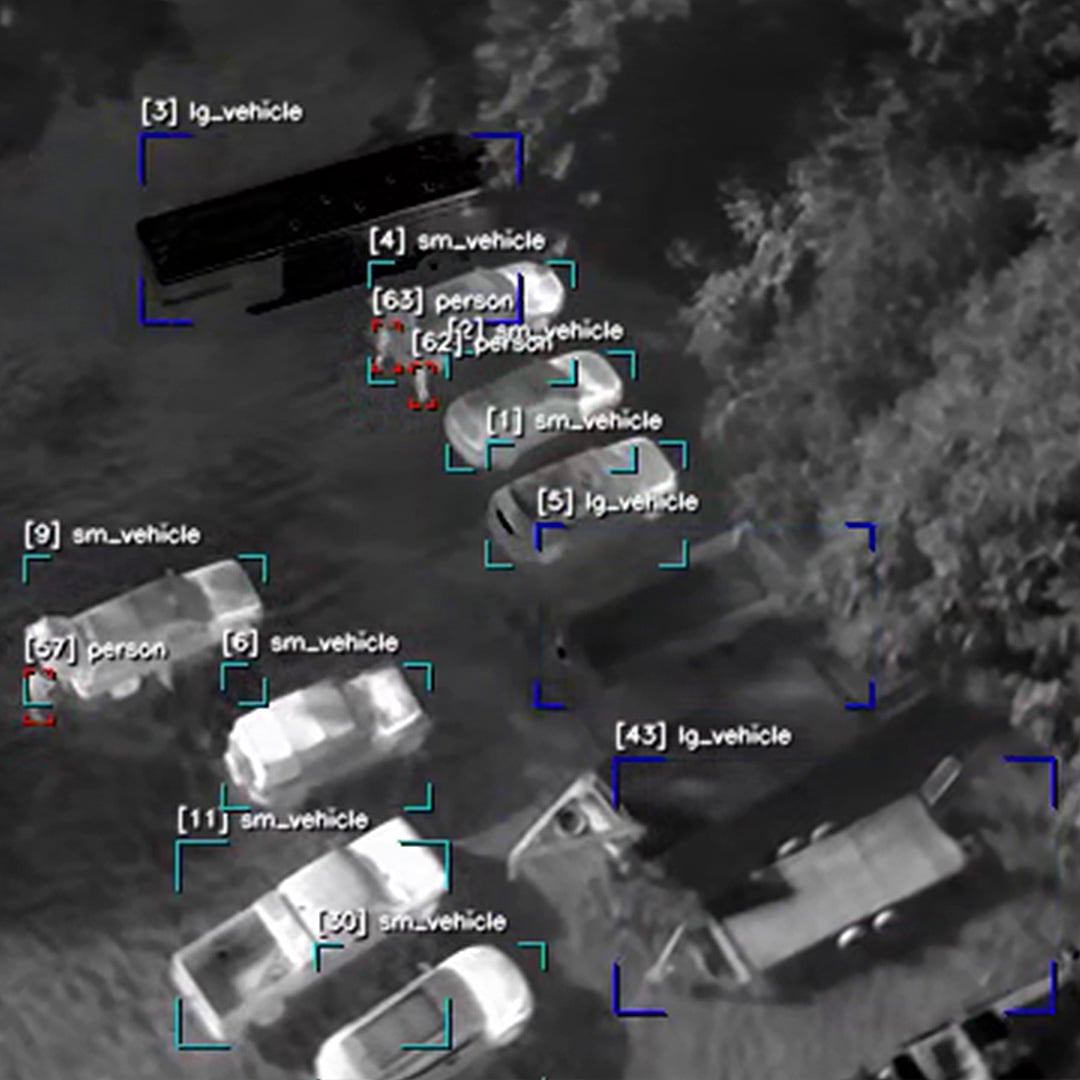
Applications include intelligence, surveillance and reconnaissance (ISR), target detection and tracking, launched effects and loitering munitions, counter-UAS, navigation in degraded visual environments, infrastructure and asset inspection, public safety, search and rescue, perimeter security and maritime awareness.

Why Uncrewed Systems Integrators Choose Teledyne FLIR OEM
- SWaP-optimized performance: Compact, low-power thermal modules reduce payload and packaging demands without sacrificing mission-relevant imaging.
- Procurement and export options: NDAA-compliant and ITAR-free configurations can simplify sourcing for U.S. government and eligible international programs.
- Proven production scale: High-volume manufacturing and supply-chain depth support large defense and commercial programs.
- Mission-ready portfolio: Combine thermal, visible and embedded AI capabilities for autonomy, navigation, detection, tracking, inspection and situational awareness.
- Lower integration risk: Factory-integrated camera and continuous-zoom lens options, development tools and application engineering reduce design, alignment and supply-chain risk.
- Rapid-acquisition support: As a U.S.-based, Other Transaction Authority (OTA)-friendly nontraditional defense contractor (NTDC), Teledyne FLIR OEM can support eligible prototype programs and a scalable path to production.
Selecting the Right Thermal Architecture for Your Uncrewed Platform
Start with the mission: detection, recognition and identification range; operating environment; payload and power limits; onboard processing; compliance needs; and production volume. These requirements guide spectral band, resolution, sensitivity, optics, interfaces, software and system architecture.
Production Scale, Lifecycle and Program Support
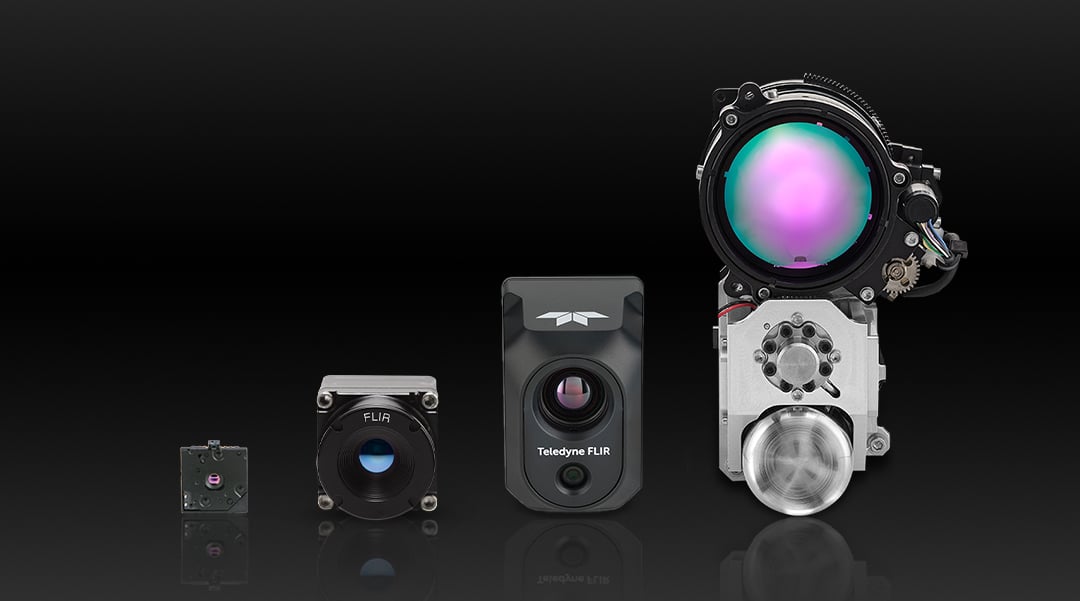
Developer resources, application engineering, lifecycle planning and supply continuity support qualification, production ramp and long-term deployment.
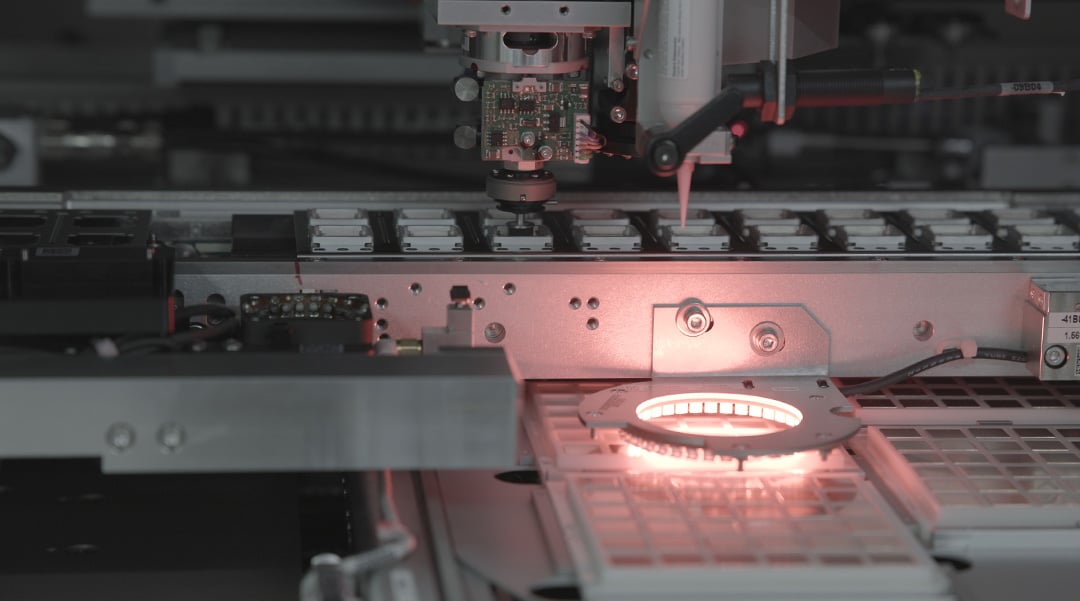
Thermal Camera and Dual-Sensor Module Options
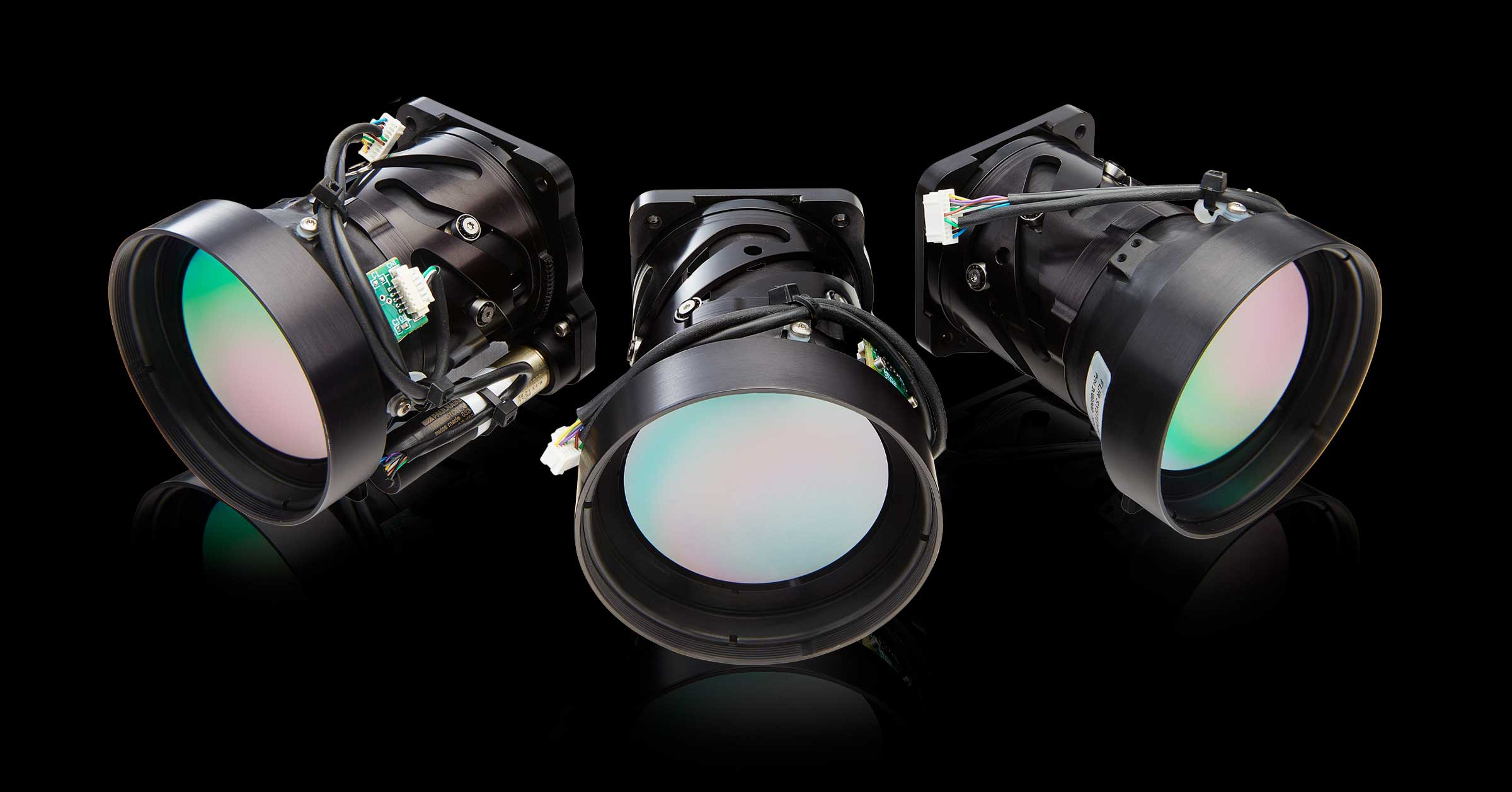
- Uncooled LWIR Boson+ and Boson SX8 suit SWaP-constrained platforms, with factory-integrated continuous-zoom (CZ) options for missions requiring variable fields of view.
- Hadron combines thermal and visible imaging in one module.
- Cooled MWIR Neutrino IS pairs a camera module with a CZ lens for longer-range imaging.
These Factory-integrated assemblies improve through-zoom focus and boresight retention while reducing development and supply-chain risk.
Explore OEM Thermal Camera Modules and Cores

Boson+
High Performance, Uncooled, LWIR OEM Thermal Camera Module
- 320 × 256 or 640 × 512 Resolution
- ≤20 mK Thermal Sensitivity [NEdT]
- 4° to 95° HFoV

Boson®
Uncooled, LWIR OEM Thermal Camera Module
- 320 × 256 or 640 × 512 Resolution
- ≤40 mK Thermal Sensitivity [NEdT]
- 4° to 95° HFoV
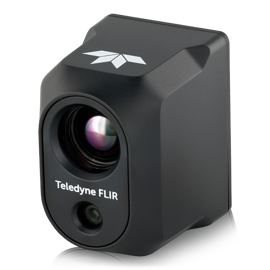
Hadron 640
High Performance, Dual Thermal and Visible OEM Camera Module
- 640 x 512 Thermal Resolution
- 64 MP Visible Camera
- Radiometry Available
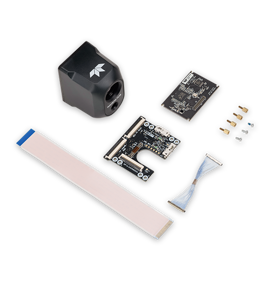
Hadron 640 Development Kits
Development Kits for Hadron 640 Dual Camera Module
- Dual Thermal and Visible Camera
- Compatible with Qualcomm® or NVIDIA®
- AI-Ready
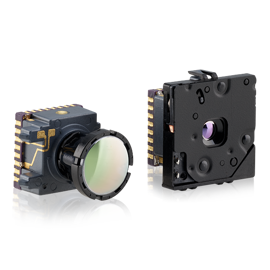
Lepton
LWIR Micro Thermal Camera Module
- 80 x 60 or 160 x 120 Resolution
- Radiometry Optional
- 50° to 160° HFoV
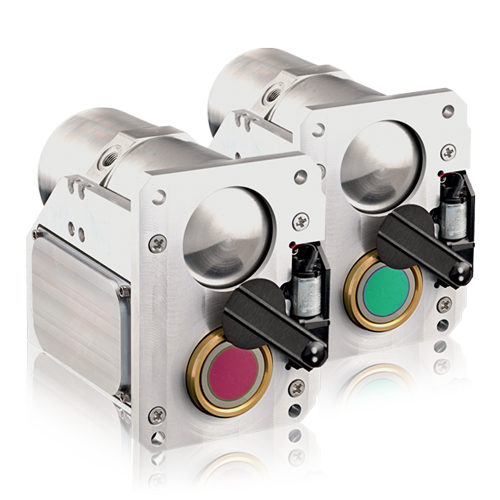
Neutrino SWaP Series
SWaP+C Optimized HOT FPA MWIR Camera Core
- 640 × 512 or 1280 x 1024 Resolution
- ≤38 mK sensitivity [NEdT]
- Lensless
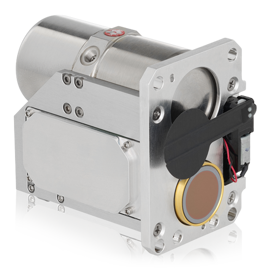
Neutrino LC OGI
SWaP Optimized HOT MWIR Optical Gas Imaging Camera Core
- 640 × 512 Resolution
- ≤35 mK sensitivity [NEdT]
- Lensless
Prism Embedded AI Software and Processing Compatibility
Plan processing with the sensor. Prism embedded software supports image stabilisation, noise reduction, image fusion, multi-object classification, detection and tracking at the edge. Confirm processor, operating system, interface and video-format compatibility early.
Explore Defense AI Software
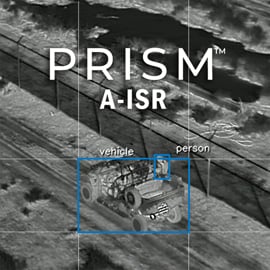
Prism A-ISR
Air-to-Ground Object Detection and Tracking Software
- Extended detection range, persistent tracking, fewer false alarms
- Native Boson+, Boson SX8, and Neutrino support for faster deployment
- Lower integration risk with production-ready tools and expert support
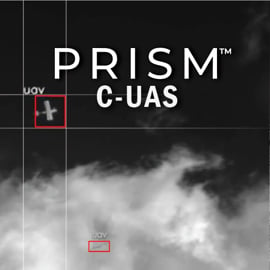
Prism C-UAS
Unmanned Aircraft System Detection and Tracking Software Stack
- Sub-2 × 2‑pixel small‑drone detection and tracking
- Multispectral‑trained AI delivers high‑confidence detection and classification
- Supports 14‑bit IR data
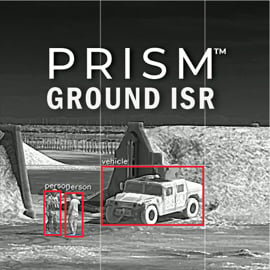
Prism Ground ISR
Ground Platform Object Detection and Tracking Software Stack
- Compatible with EO sensors, enabling multi sensor solutions
- Supports up to 15 object classes
- Accepts 14-bit IR data from Boson, Neutrino, and select third-party IR and EO sensors
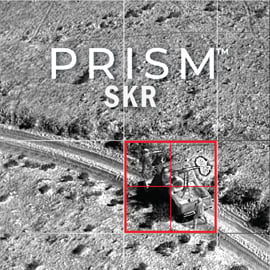
Prism SKR
Integrated Seeker and Autonomy Software
- Accepts Thermal and Visible Imagery
- WOSA-Compliant Interfaces
- Compatible with Qualcomm or NVIDIA
Prism AIMMGen
Automated Synthetic Data Generation and AI Model Training Service
- 1M+ ITAR-Free Synthtetic Images
- Thousands of Civilian and Military Objects
- Vary Location, Target Type, Weather, and More
Prism AI
Object Detection and Tracking Software Libraries
- 40+ Detection Categories
- 4M Training Annotations
- Compatible with Qualcomm or NVIDIA
Prism ISP
Advanced Computational Image Processing Software
- Super Resolution, MSX, VividIR, and more
- Supports LWIR, MWIR, and Visible
- Compatible with Qualcomm or NVIDIA
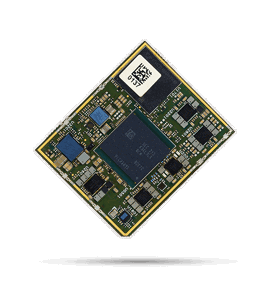
FLIR AVP
SWaP-Optimized SOM for Prism
- Qualcomm Dragonwing QCS8550
- 48 TOPS INT 8 AI Processor
- 2.5 W Typical
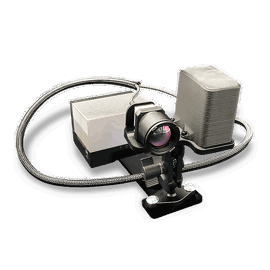
Prism SKR Evaluation Kit
AI-Powered ATR & Autonomous Target Tracking
- 5 class commercial model for initial Prism SKR evaluation
- Compatible Teledyne FLIR OEM Boson+
- Support for NVIDIA ORIN embedded hardware
Frequently Asked Questions About Thermal Imaging for Uncrewed Systems
How do I choose a thermal camera for a UAS or UGV?
Match the camera to detection range, operating environment, payload and power limits, field of view, onboard processing, compliance needs and production volume. These factors determine resolution, spectral band, sensitivity, optics, interfaces and software.
Why use thermal cameras on uncrewed systems?
Thermal cameras detect heat rather than visible light, enabling air, ground and maritime platforms to operate in darkness, glare, smoke and other low-visibility conditions. They support defense missions as well as commercial inspection, public safety, search and rescue, and autonomous navigation. Integrating artificial intelligence at the edge enables uncrewed systems to detect, classify and track objects in real time day or night.
How are thermal cameras used on commercial drones?
Commercial drones use thermal imaging for infrastructure and asset inspection, public safety, search and rescue, industrial monitoring, environmental assessment and operation in low-light conditions.
Why does SWaP matter for UAS, UGVs and other uncrewed platforms?
Lower size, weight and power can preserve payload capacity, extend mission length and simplify mechanical, electrical and thermal integration. The right design balances these constraints with range, resolution, optics and onboard processing.
What do NDAA-compliant and ITAR-free mean for an uncrewed-system program?
NDAA-compliant options can support U.S. government procurement requirements, while ITAR-free products may simplify export planning for eligible international programs. Status varies by product, destination and end use; confirm requirements for the selected configuration.
How does a factory-integrated continuous-zoom lens reduce integration risk?
Designed, aligned and calibrated as one system, an integrated camera and CZ lens helps maintain focus and boresight through zoom and temperature changes while reducing engineering, testing and multi-supplier risk. Options include Boson+ CZ, Boson SX8 CZ and Neutrino IS.
What does OTA-friendly NTDC status mean for uncrewed programs?
As a U.S.-based NTDC, Teledyne FLIR OEM can participate in eligible OTA prototype programs. This can help government and industry teams evaluate commercial technology and transition successful prototypes toward production more efficiently. Availability depends on program and contracting requirements.
Can Teledyne FLIR OEM support high-volume uncrewed-system programs?
Yes. Teledyne FLIR OEM supports defense and commercial programs from prototype through production ramp and sustained deployment.
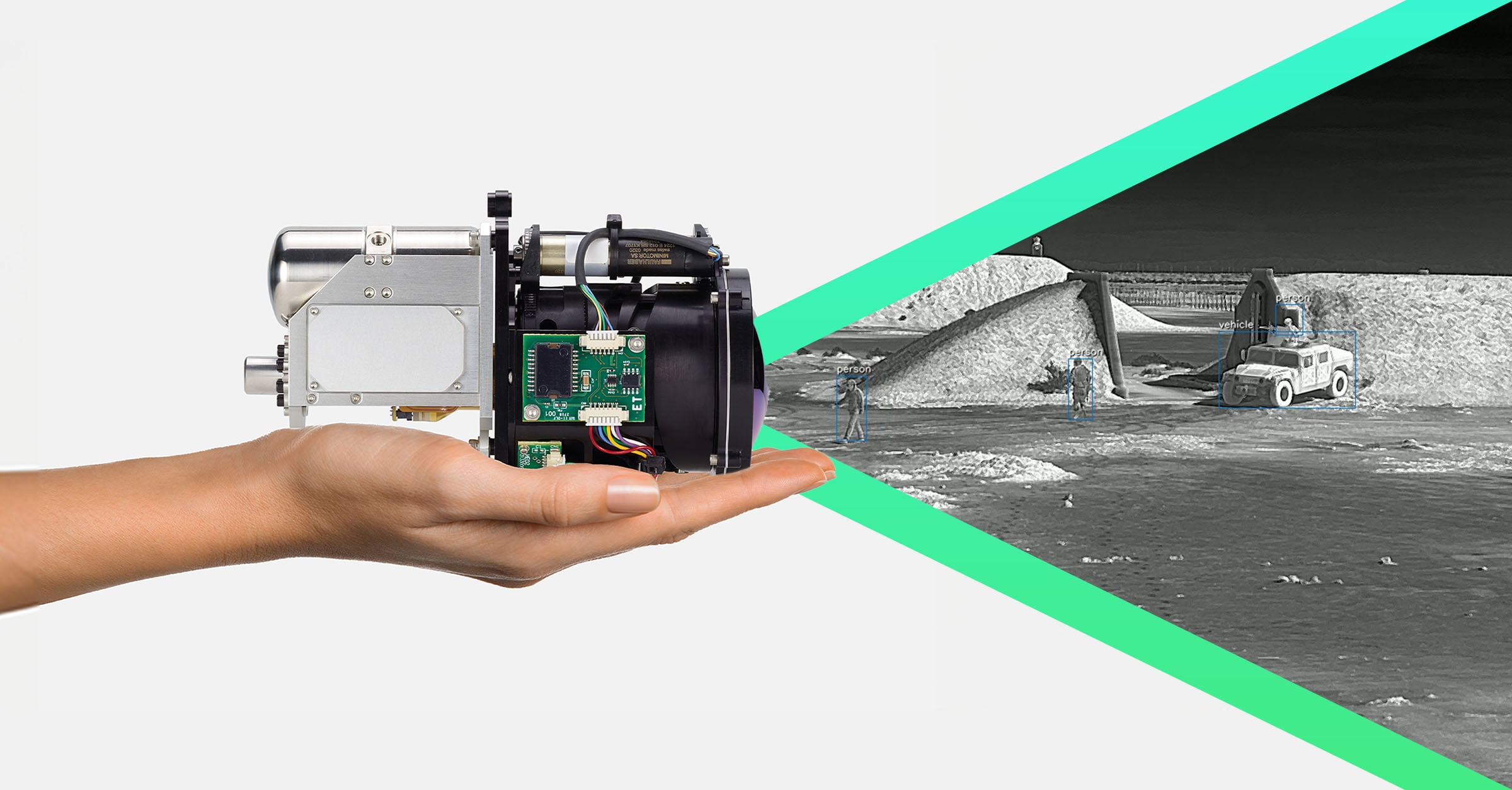
Small Pixel IR Sensors: Optimizing SWaP-C and Performance for Mission-Critical Applications
Learn more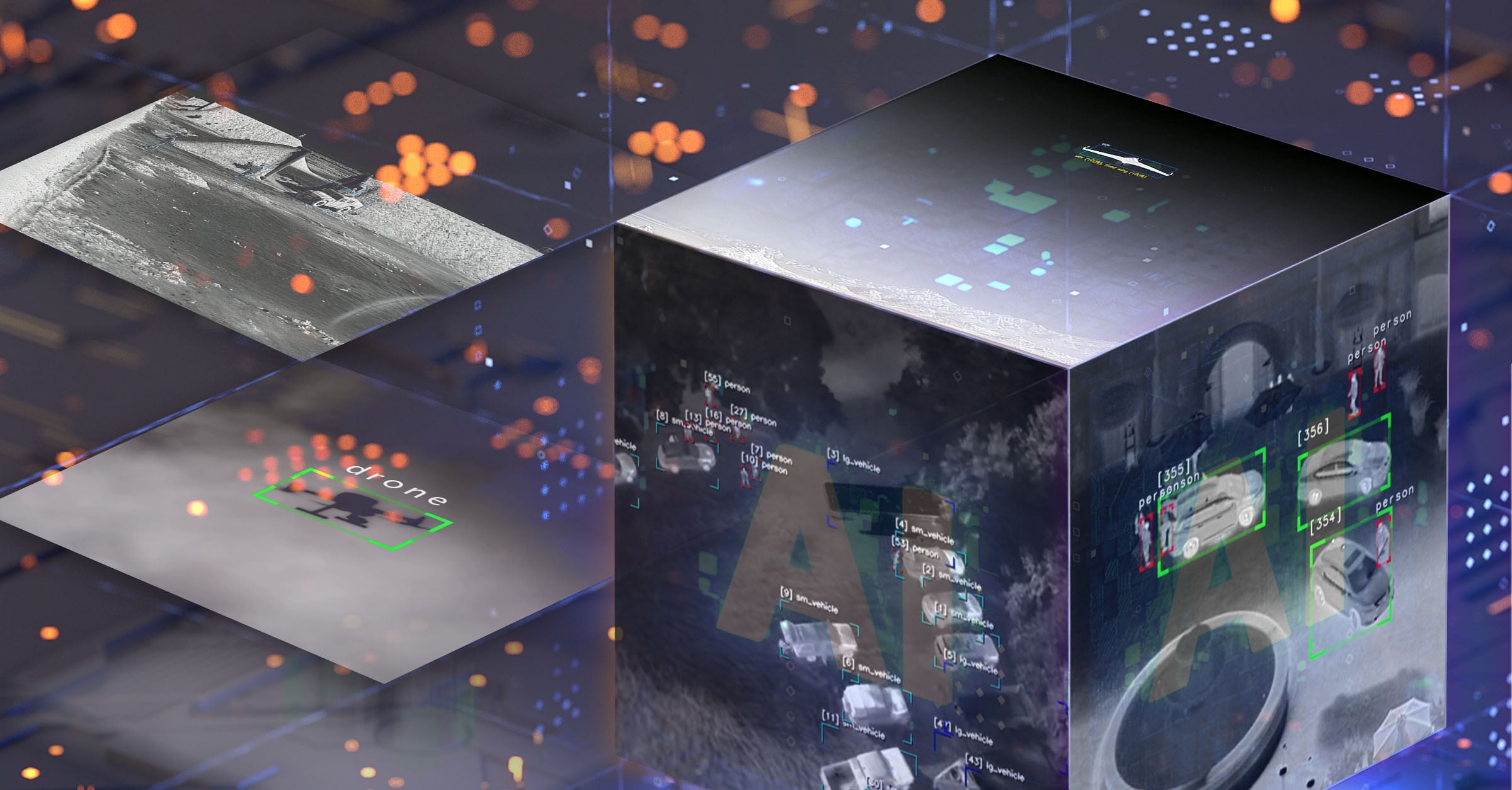
Beyond Embedded AI: Optimizing the Thermal Perception Pipeline from Sensor Data to Edge Deployment
Learn more